
Introduction
As organizations increasingly depend on Oracle Cloud and ERP systems to manage finance, supply chain, and business operations, system reliability becomes critical. Even short periods of downtime can disrupt business processes, delay transactions, and impact customer experience. To ensure consistent performance and availability, organizations define Service Level Agreements (SLAs) that specify uptime targets, response times, and resolution timelines.
However, maintaining these SLAs requires continuous monitoring, proactive maintenance, and specialized technical expertise. Many internal IT teams lack the bandwidth or tools to manage systems around the clock. This is where Oracle Managed Services play a key role. Managed services providers help organizations maintain SLA compliance and improve overall system reliability through proactive support, monitoring, and optimization.
Understanding SLA and System Reliability
A Service Level Agreement (SLA) defines measurable performance standards between the organization and the managed services provider. Common SLA metrics include system uptime percentage, incident response time, and resolution time.
System reliability refers to how consistently the Oracle system performs without failures or performance degradation. A reliable system ensures that users can access applications, run reports, and complete transactions without disruption.
When SLA targets are met consistently, it indicates that the system is stable, reliable, and well managed.
1. 24/7 System Monitoring and Proactive Issue Detection
Managed services providers use advanced monitoring tools to continuously track system health, integrations, database performance, and infrastructure usage. Instead of waiting for
users to report problems, alerts are generated automatically when abnormal behavior is detected.
This proactive monitoring allows support teams to resolve issues before they impact business operations, significantly improving SLA compliance and system stability.
2. Faster Incident Response and Resolution
Managed services providers follow structured incident management processes. Issues are categorized by severity, and critical incidents receive immediate attention.
Dedicated support teams investigate root causes quickly and apply fixes within defined SLA timelines. This reduces downtime and ensures business continuity.
3. Preventive Maintenance and Patch Management

Oracle environments require regular updates and maintenance. Managed services teams test patches before deployment, apply updates carefully, and perform preventive maintenance such as database tuning and performance optimization.
This proactive approach reduces the risk of unexpected system failures.
4. Performance Monitoring and Continuous Optimization
Managed services teams continuously track performance metrics such as report execution time, database response time, and integration processing speed.
They optimize system configurations, adjust resources, and resolve bottlenecks to ensure the system performs efficiently.
5. Backup, Disaster Recovery, and Business Continuity
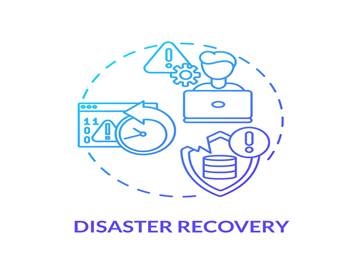
Managed services providers implement backup strategies and disaster recovery plans. Automated backups and failover mechanisms ensure systems can recover quickly from unexpected failures.
This helps organizations maintain SLA commitments and protect business data.
6. SLA Tracking, Reporting, and Continuous Improvement
Managed services providers track SLA metrics and share regular performance reports. These reports include uptime percentage, incident resolution time, and performance trends.
This visibility helps organizations evaluate service effectiveness and identify improvement opportunities.
Real‑World Use Case: Improving SLA Compliance in an Oracle Fusion Environment
A global manufacturing company implemented Oracle Fusion ERP to manage finance and supply chain operations across multiple locations. After go‑live, the organization faced frequent performance slowdowns and integration failures.
The internal IT team struggled to respond quickly, and system uptime dropped below the SLA target of 99.9%.
The company partnered with an Oracle Managed Services provider. The provider implemented 24/7 monitoring, optimized database performance, improved integration stability, and established a structured incident management process.
Within three months:
– System uptime improved from 99.2% to 99.9%
– Incident resolution time improved by 40%
– System performance became more stable
– User satisfaction increased significantly
Business Impact
Improved SLA performance and system reliability resulted in fewer disruptions, faster operations, and improved productivity. The organization gained confidence in its Oracle systems and could focus on business growth.
Conclusion

Oracle Managed Services play a critical role in improving SLA performance and system reliability. Through continuous monitoring, proactive maintenance, faster incident resolution, and performance optimization, managed services providers help organizations maintain stable and efficient systems.
By ensuring high availability and reliable performance, Oracle Managed Services enable organizations to maximize the value of their technology investments and support long‑term business success.
– by Gray acumen