
Introduction
As organizations increasingly rely on Oracle cloud and enterprise applications, managed services have become a critical component of ongoing operations. However, simply engaging a managed services provider is not enough. Businesses must also measure performance and value through clearly defined Key Performance Indicators (KPIs). These KPIs help organizations track service quality, system health, user satisfaction, and overall business impact.
Measuring the right KPIs ensures accountability, transparency, and continuous improvement. It also helps organizations align managed services with business goals instead of treating them as a purely operational function.
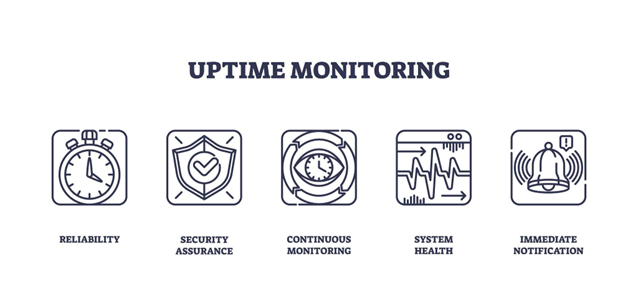
1. System Uptime and Availability: System uptime is one of the most important KPIs in any managed services engagement. It measures how often the Oracle system is available for users without interruptions. High availability ensures that business operations such as order processing, financial transactions, and reporting continue without disruption.
Key metrics:
– Overall system uptime percentage
– Scheduled vs. unscheduled downtime
– SLA compliance rate
2. Incident Response and Resolution Time : This KPI measures how quickly the managed services team acknowledges and resolves issues. Faster response and resolution times reduce operational disruptions and improve user confidence.

Key metrics:
– First response time
– Mean time to resolve (MTTR)
– Percentage of incidents resolved within SLA
3. Ticket Volume and Trends
Support ticket volume helps organizations understand system stability and user adoption. A high number of repetitive tickets may indicate deeper issues such as training gaps or configuration problems.
Key metrics:
– Total tickets per month
– Repeat issue rate
– Tickets by severity level
4. Change Success Rate
Managed services teams handle configuration changes, patches, and minor enhancements. The change success rate measures how many changes are completed without causing incidents or rollbacks.
Key metrics:
– Percentage of successful changes
– Number of failed or rolled-back changes
– Change-related incidents
5. Performance Metrics
System performance directly impacts user productivity. Slow reports or delayed integrations can affect decision-making and operations.
Key metrics:
– Report execution time
– Page load time
– Integration processing time
– Batch job completion time
6. Security and Compliance Metrics
Security is critical in Oracle environments. Managed services teams must ensure systems remain secure and compliant with industry standards.
Key metrics:
– Number of security incidents
– Patch compliance rate
– Vulnerability remediation time
– Audit issue resolution time
7. Cost Optimization and Resource Utilization
Managed services should help organizations control and optimize IT spending. Cost-related KPIs help track financial efficiency.
Key metrics:
– Monthly cloud spend vs. budget
– Resource utilization percentage
– Cost savings from optimization initiatives
8. User Satisfaction Score
User satisfaction provides insight into how well the managed services team supports business users.
Key metrics:
– User satisfaction survey scores
– Net Promoter Score (NPS)
– Feedback from business units
9. SLA Compliance Rate
This KPI measures how consistently the managed services provider meets agreed service levels.
Key metrics:
– Percentage of SLA targets achieved
– Number of SLA breaches
– Trend of SLA performance over time
10. Knowledge Transfer and Documentation Quality
Effective managed services should improve internal knowledge and documentation over time.
Key metrics:
– Updated process documents
– Knowledge base articles created
– Training sessions conducted
Real-World Example
A manufacturing company using Oracle Fusion applications engaged a managed services provider to support finance and supply chain operations. Initially, the organization focused only on uptime metrics. However, users reported slow system performance and delayed issue resolution.
After introducing additional KPIs such as ticket resolution time, report performance, SLA compliance, and user satisfaction, the organization gained better visibility into service quality. The managed services provider improved response times, optimized reports, and conducted user training sessions. Within three months:
– Ticket volumes dropped by 30%
– Report performance improved by 40%
– SLA compliance reached 98%
– User satisfaction scores increased significantly
Conclusion

Oracle managed services deliver the most value when performance is measured through meaningful KPIs. Metrics such as uptime, incident resolution time, performance, security, cost optimization, SLA compliance, and user satisfaction provide a comprehensive view of service effectiveness.
By defining and tracking the right KPIs, organizations can ensure accountability, improve system reliability, and maximize the value of their Oracle investments. Managed services should not only keep systems running but also contribute to continuous improvement and long-term business success.
– by Gray acumen