
Introduction
Implementing an ERP system is a major milestone for any organization. After months of planning, configuration, testing, and training, the system finally goes live. Many businesses assume that once the ERP is live, the project is complete. In reality, the go-live stage is only the beginning of the journey.
Once real users begin working in the system, new challenges appear. These issues can affect performance, data accuracy, and overall productivity. Without proper support, organizations may struggle to realize the full value of their ERP investment. This is where cloud managed services play a critical role by providing ongoing support, monitoring, and optimization.

1. User Adoption and Process Confusion
After go-live, employees often face difficulties adjusting to the new system. Even after training, users may struggle with new interfaces, workflows, and data entry processes. This leads to incorrect transactions, delays, and an increase in support tickets.
Managed services provide dedicated support teams that assist users, resolve issues quickly, and offer continuous training. This helps improve user confidence, reduces errors, and ensures smoother daily operations.
2. System Performance and Stability Issues
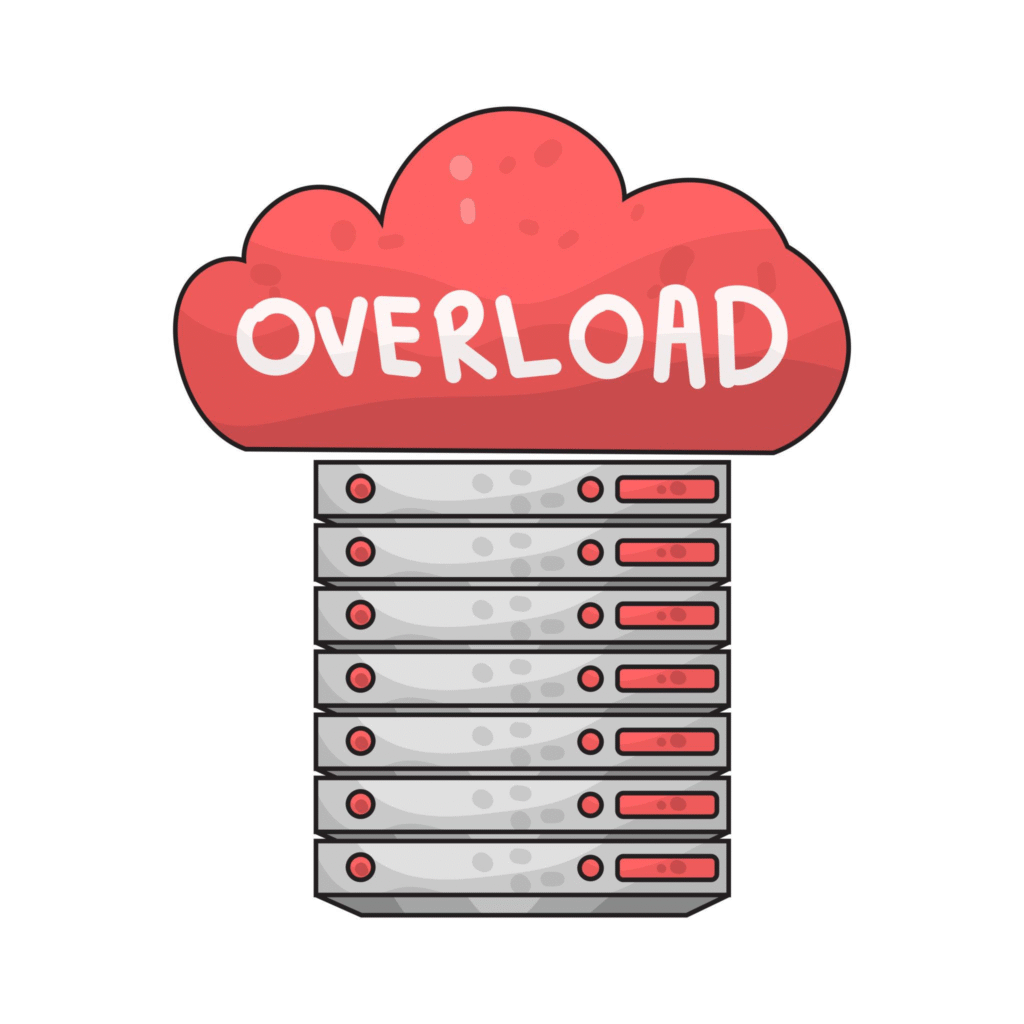
During testing, systems are usually evaluated with limited data and users. After go-live, real transaction volumes increase, and performance issues may arise. Reports may run slowly, integrations may fail, and system response time may decrease.
Managed service providers continuously monitor system performance. They identify bottlenecks, optimize configurations, and ensure the system runs efficiently. Proactive monitoring helps prevent downtime and improves overall system stability.
3. Integration Failures with Other Systems
Most ERP systems are connected to other applications such as CRM, payroll, banking, or third-party logistics platforms. After go-live, these integrations may face failures due to data mismatches, network issues, or configuration errors.
Managed services teams monitor integrations regularly, detect failures early, and resolve them quickly. They also ensure that data flows smoothly between systems, maintaining accuracy and consistency across the organization.
4. Managing Regular Updates and Patches
Cloud ERP platforms release frequent updates that include new features, security fixes, and performance improvements. While these updates are beneficial, they can also cause issues with customizations, reports, or integrations if not properly tested.
Managed service providers handle patch management by testing updates in advance, identifying potential risks, and ensuring a smooth deployment. This reduces the chances of unexpected system failures after updates.
5. Lack of Internal ERP Expertise
Many organizations do not have a large internal ERP support team. Their IT staff may be skilled in general technology but lack deep expertise in specific ERP modules. As a result, complex issues may take longer to resolve.
Managed services give organizations access to a team of functional and technical ERP experts. These specialists can quickly diagnose and resolve issues, provide guidance, and support ongoing improvements.
Real-World Use Case: ERP Stabilization After Go-Live
A global retail company implemented a cloud-based ERP system to manage its finance and inventory operations across multiple locations. Soon after go-live, the company began facing issues with delayed financial reports and frequent inventory mismatches between the ERP and the warehouse system.
The internal IT team struggled to identify the root cause, as the issues were related to integration failures and incorrect user configurations. Support tickets increased, and finance teams were unable to close monthly books on time.
The company partnered with a cloud managed services provider to stabilize the environment. The managed services team monitored integrations, corrected configuration errors, optimized report performance, and provided user support.
Within two months, report performance improved, integration failures were eliminated, and the month-end close cycle was reduced by several days. The organization was able to operate smoothly while the managed services team handled ongoing support and optimization.
Business Impact of Managed Services
Organizations that adopt managed services after ERP go-live experience several benefits. They see reduced system downtime, faster issue resolution, improved user productivity, and better data accuracy. Managed services also help control IT costs by providing expert support at predictable monthly rates.
Conclusion
ERP go-live is not the end of the journey. It is the starting point of continuous improvement. Without proper post-go-live support, organizations may face performance issues, user dissatisfaction, and operational risks.
Cloud managed services provide the expertise, monitoring, and optimization required to keep ERP systems stable, secure, and efficient. By addressing common post-go-live challenges, managed services help organizations maximize the value of their ERP investment and support long-term business growth.
– By Gray Acumen