INTRODUCTION
Retail organizations operate within one of the most demanding and interconnected IT ecosystems. Large retail chains manage thousands of daily transactions across physical stores, warehouses, e-commerce platforms, suppliers, logistics partners, and financial systems. Any disruption in this ecosystem directly affects revenue, customer experience, and operational efficiency.
As retail businesses expand, IT environments become layered with customizations, integrations, data growth, and new business processes. Over time, even well-performing systems can struggle under increased load. This is why a yearly IT refresh is not just an operational task, but a strategic necessity—especially for retail organizations heavily dependent on Oracle E-Business Suite (EBS) and increasingly adopting Oracle Fusion Cloud.
WHY YEARLY IT REFRESH IS CRITICAL FOR RETAIL CHAINS
Retail IT systems support nearly every core business function:
• Store and POS operations
• Finance, accounting, and compliance
• Supply chain, inventory, and procurement
• Order management and fulfillment
• Warehousing and logistics
• Reporting, analytics, and forecasting
Retail environments also experience sharp seasonal spikes driven by holidays, promotions, and market expansions. Without regular IT refresh cycles, systems gradually lose their ability to scale, resulting in performance bottlenecks, processing delays, and operational risk.
A yearly IT refresh enables retail leaders to proactively assess system health, capacity, and readiness for the year ahead.
ORACLE EBS AS THE BACKBONE OF RETAIL IT
Despite cloud adoption trends, Oracle E-Business Suite continues to serve as the backbone of many retail organizations. EBS supports mission-critical operations including:
• General Ledger, Accounts Payable, and Accounts Receivable
• Inventory, Purchasing, and Supplier Management
• Order Management and Shipping
• Manufacturing, Costing, and BOMs
Because these processes run continuously and at scale, EBS performance and stability directly influence business continuity. For most retailers, yearly IT refresh is still primarily driven by EBS system health.
MANDATORY ORACLE EBS AREAS TO REVIEW DURING YEARLY IT REFRESH
A structured yearly IT refresh must include detailed review of the following EBS components:
Database and Infrastructure:
• Database performance, patching, and growth trends
• Index optimization and statistics collection
Concurrent Manager and Batch Processing:
• Throughput during peak periods
• Queue balancing and job scheduling
Customizations and Extensions:
• Forms, workflows, and reports
• Impact of custom code on upgrades and performance
Interfaces and Integrations:
• Batch interfaces, inbound/outbound data flows
• Error handling and recovery processes
Data Management:
• Archival and purge strategies
• Storage growth and historical data handling
Security and Compliance:
• User roles, access controls, and audit readiness
• Segregation of duties
Backup and Disaster Recovery:
• Recovery time objectives
• High availability readiness
ORACLE FUSION READINESS IN MODERN RETAIL IT
As retailers modernize, Oracle Fusion Cloud is increasingly adopted for finance, SCM, analytics, and planning. Fusion environments must handle:
• High transaction volumes
• Large user concurrency
• Near real-time integrations
• Frequent quarterly updates
Fusion readiness is now a critical part of yearly IT refresh planning, ensuring cloud environments remain stable and scalable as business demand grows.
FUNCTIONAL AREAS TO REVIEW IN ORACLE FUSION
During yearly IT refresh, the following Fusion functions require mandatory review:
• Financials: Close cycles, batch processing, and reporting
• SCM: Inventory accuracy, procurement, and order management
• Integrations: Oracle Integration Cloud and APIs
• Analytics: OTBI, BI Publisher, and dashboards
• Security: Role design and access governance
• Scheduled Jobs: ESS job execution and queue behavior
WHAT IS UAR AND WHY IT IS ESSENTIAL
A Usage Assessment Request (UAR) is Oracle’s formal mechanism to evaluate whether a Fusion Cloud environment is properly sized for business transaction volumes. UAR validates system capacity, concurrency, and performance thresholds.
For retail organizations with seasonal demand spikes, UAR is essential to:
• De-risk UAT and volume testing
• Prevent job queuing and system slowdowns
• Align expectations between IT, business, and Oracle
UAR requests should be initiated four to six weeks before major milestones such as peak seasons, promotions, or go-live events.
AI READINESS AND THE ROLE OF UPGRADES
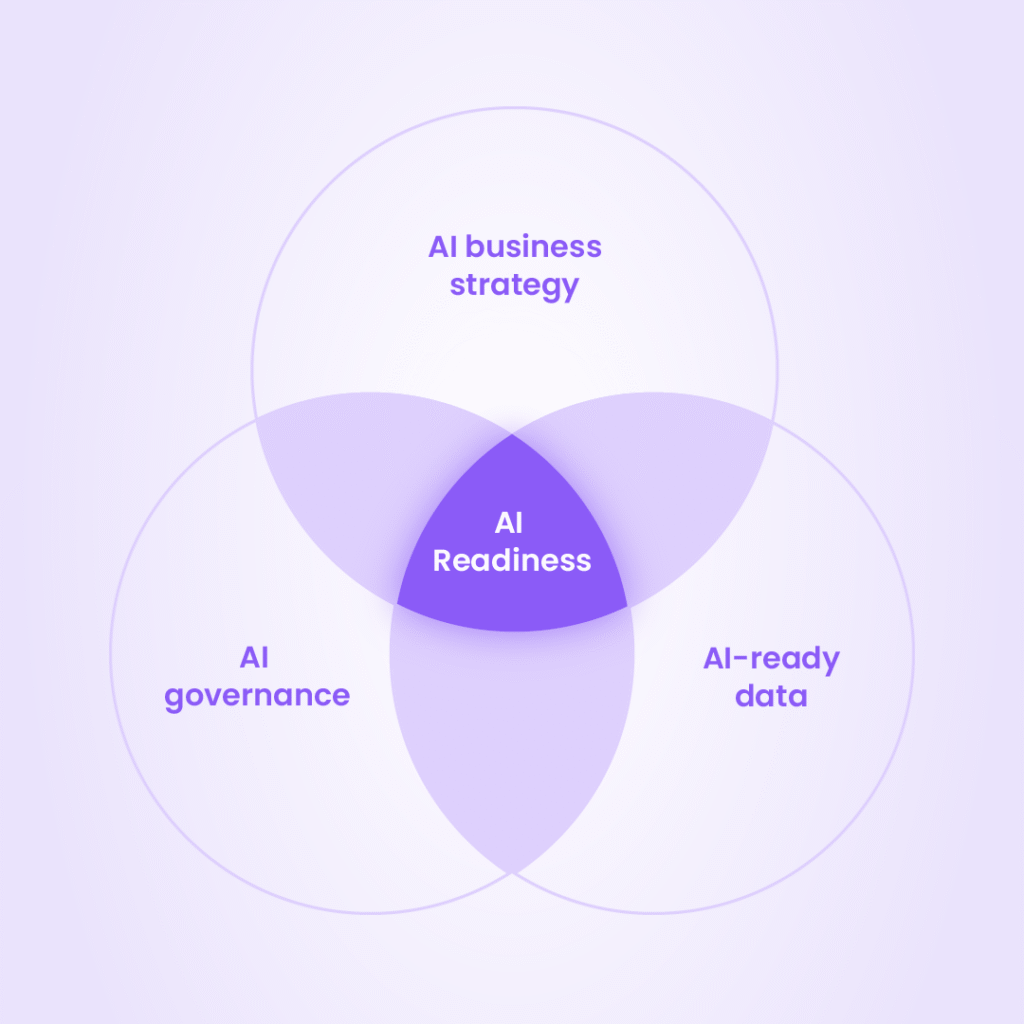
Oracle continues to embed AI and machine learning capabilities across Fusion applications, including demand forecasting, anomaly detection, intelligent insights, and conversational interfaces.
To fully leverage these AI-driven capabilities, retailers must:
• Stay current with Oracle quarterly updates
• Maintain clean and consistent master data
• Ensure stable and real-time integrations
• Align security roles to support AI access
• Optimize reporting and analytics foundations
Delaying upgrades limits access to AI innovations and reduces the overall return on Oracle investments.
FROM REACTIVE MAINTENANCE TO PROACTIVE READINESS
Retail IT refresh programs must evolve beyond reactive maintenance. Systems must be continuously assessed for performance, scalability, and future capability enablement.
A yearly IT refresh that balances Oracle EBS stability with Oracle Fusion innovation allows retailers to operate confidently while preparing for digital transformation.
CONCLUSION
For large retail chains, yearly IT refresh is no longer optional. It is a strategic discipline that ensures Oracle EBS remains stable, Oracle Fusion environments are ready for scale, AI capabilities are enabled, and peak-season risks are minimized.
Retail success depends on IT systems that are not only operational today but resilient and future-ready for tomorrow.
– Gray Acumen