-
Gray Acumen#WarehouseOperations
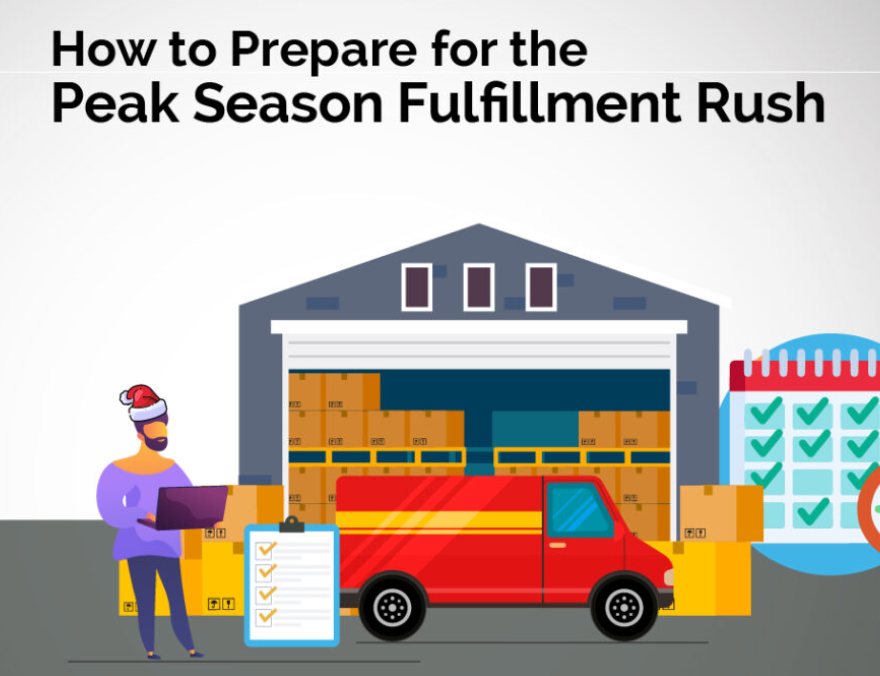
Managing Holiday Order Surges: How Supply Chain Management Drives Retail Success
The holiday season is a defining period for retailers. Sales campaigns run continuously, customers shop across multiple channels, and order volumes rise at an unprecedented pace. What appears to be a time of opportunity often turns into a stress test for Supply Chain Management (SCM). During holidays, demand does not grow gradually — it surges suddenly and unpredictably. Retailers that lack strong supply chain planning, execution, and visibility struggle to keep up. Inventory shortages, delayed deliveries, warehouse congestion, and dissatisfied customers become common outcomes. In today’s retail environment, success during peak seasons is no longer driven by marketing alone. It is driven by how strong, agile, and responsive the supply chain is. Understanding Holiday Demand Volatility Holiday demand behaves very differently from normal business cycles This volatility places enormous pressure on supply chain teams. Forecasts created weeks in advance often become outdated within days. Without real-time insight, decision-making becomes reactive instead of proactive. From an SCM perspective, the holiday season exposes whether a supply chain is built for stability or designed for flexibility. The Role of Supply Chain Management During Peak Seasons Supply Chain Management during holidays goes far beyond moving products from warehouses to customers. It involves: Each of these elements must work together seamlessly. A failure in even one area can disrupt the entire supply chain. Demand Planning: Where Most Holiday Problems Begin Holiday disruptions often originate in demand planning. Traditional planning models rely heavily on historical data. However, holiday demand is influenced by new factors every year — promotional intensity, consumer behaviour changes, economic conditions, and digital buying patterns. When demand planning is inaccurate: Effective SCM requires demand planning that can adjust quickly and incorporate real-time signals from sales, promotions, and customer behaviour. Inventory Management Under Extreme Pressure Inventory is one of the most critical components of holiday supply chains. Retailers must maintain a delicate balance: During peak seasons, inventory visibility becomes essential. Retailers need to know: Without accurate inventory data, supply chain teams are forced to make decisions based on assumptions rather than facts. Supplier Coordination and Lead Time Challenges Holiday demand spikes do not only impact retailers — they impact suppliers as well. Suppliers face: Poor coordination with suppliers can result in delayed replenishment and missed demand opportunities. Strong SCM practices emphasize supplier collaboration, clear communication, and proactive capacity planning well before the holiday season begins. Warehouse Operations: The Heart of Holiday Fulfilment Warehouses experience the most visible impact of holiday order surges. During peak periods: Supply chain teams must ensure that warehouse operations are scalable and efficient. This includes optimized layouts, intelligent picking strategies, and real-time workload visibility. A warehouse that performs well during normal operations may still fail under holiday pressure if it lacks flexibility. Fulfilment and Last-Mile Delivery Challenges Customer expectations during holidays are extremely high. Same-day or next-day delivery has become the norm rather than the exception. SCM challenges in fulfilment include: Delays at this stage directly impact customer satisfaction and brand reputation. Strong supply chain execution ensures that orders flow smoothly from warehouse to customer, even under peak conditions. Lack of Visibility: The Biggest SCM Risk One of the biggest challenges retailers face during holidays is limited end-to-end visibility. Without real-time insights, supply chain leaders struggle to answer critical questions: Visibility across demand, inventory, fulfilment, and logistics is essential for timely decision-making. Why Traditional Supply Chains Fail During Holidays Many traditional supply chains are built for predictable demand and steady operations. They rely on: These limitations become critical weaknesses during holiday surges. When systems cannot respond quickly, decisions are delayed, and disruptions escalate. Modern SCM requires connected processes, faster data flow, and the ability to adapt in real time. What a Holiday-Ready Supply Chain Looks Like Retailers that successfully navigate holiday peaks share common SCM characteristics: Instead of reacting to problems, these supply chains anticipate disruptions and respond proactively. The Strategic Value of SCM Beyond the Holidays Holiday disruptions highlight long-standing supply chain gaps. However, the lessons learned extend far beyond peak seasons. Retailers that strengthen their SCM capabilities for holidays benefit year-round through: Supply chain readiness is no longer a seasonal requirement — it is a strategic advantage Final Thoughts The holiday season exposes the true strength of a retailer’s supply chain.Unimaginable order volumes are not anomalies — they are becoming the new normal. Retailers that invest in robust, flexible, and visible Supply Chain Management are able to turn peak demand into growth opportunities. Those that rely on outdated processes face repeated disruptions year after year. In a world of rising customer expectations and unpredictable demand, SCM is no longer just an operational function — it is a key driver of retail success. – Gray Acumen

Recent Post