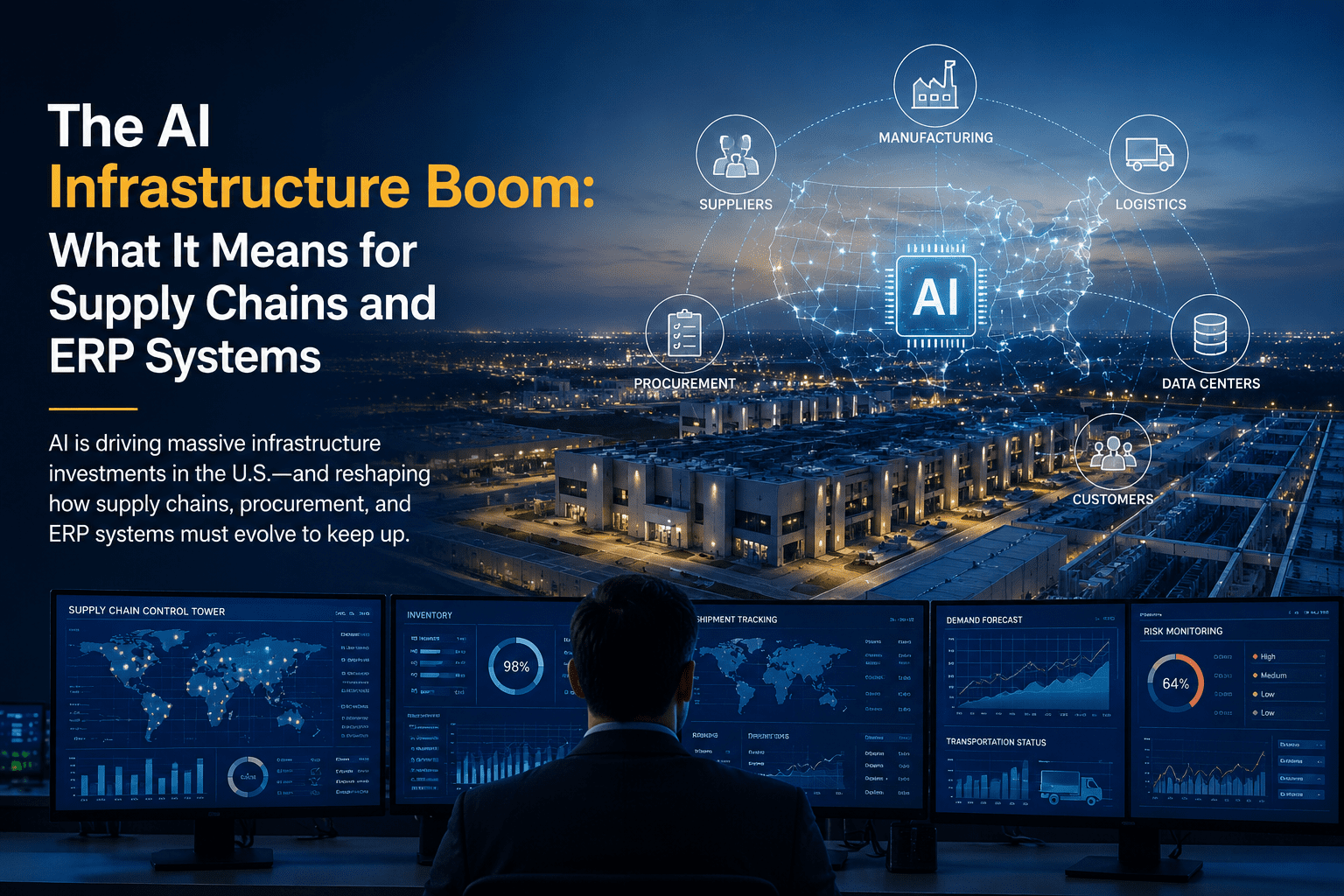
The AI Infrastructure Boom: What It Means for Supply Chains and ERP Systems
Introduction
Artificial Intelligence (AI) is transforming industries across the globe, and organizations are investing heavily in the infrastructure required to support this growth. From advanced data centres and cloud environments to high-performance computing resources, businesses are racing to build the foundation needed for the next generation of AI innovation.
In the United States, technology giants such as Microsoft, Google, Amazon, Oracle, and other leading organizations are expanding their AI infrastructure investments. While much of the conversation focuses on AI capabilities, another important story is unfolding behind the scenes—the growing impact on supply chains, procurement operations, and enterprise resource planning (ERP) systems.
As AI infrastructure projects continue to expand, organizations are discovering that successful execution depends not only on technology but also on efficient supply chain management.
Understanding the AI Infrastructure Boom
The rapid growth of AI applications has created unprecedented demand for infrastructure components such as:
- High-performance servers
- AI processors and GPUs
- Networking equipment
- Cooling systems
- Power management solutions
- Data centre construction materials
Building and operating AI environments requires significant coordination across suppliers, manufacturers, logistics providers, and technology teams.
As investment in AI continues to accelerate, supply chains are facing increasing pressure to deliver critical components on time and at scale.
Why Supply Chains Are Feeling the Impact
AI infrastructure projects require thousands of interconnected components sourced from multiple suppliers across different regions.

A delay in a single component can affect an entire project timeline.
Organizations are facing challenges such as:
- Supplier capacity constraints
- Extended lead times
- Inventory management complexities
- Logistics coordination issues
- Rising procurement costs
- Increased demand forecasting requirements
These challenges highlight the growing importance of supply chain visibility and operational planning.
The Growing Importance of Procurement and Supplier Management
Procurement teams play a critical role in AI infrastructure projects.
Organizations must ensure that suppliers can meet increasing demand while maintaining quality and delivery expectations.
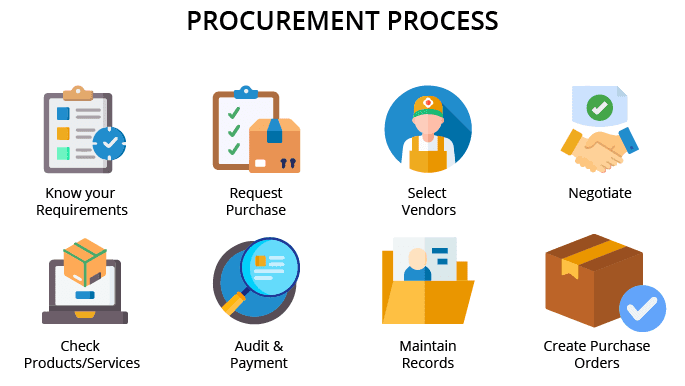
Key priorities include:
Supplier Collaboration
Organizations need stronger communication and coordination with suppliers to ensure material availability.
Risk Management
Businesses must identify potential supply risks before they impact operations.
Strategic Sourcing
Diversifying supplier networks can help reduce dependency on individual vendors.
Cost Control
Managing procurement costs is becoming increasingly important as demand for AI-related infrastructure continues to rise.
Why ERP Systems Matter More Than Ever
As AI infrastructure projects become larger and more complex, organizations require systems capable of managing procurement, inventory, suppliers, logistics, and financial operations in a unified environment.
This is where ERP systems become essential.
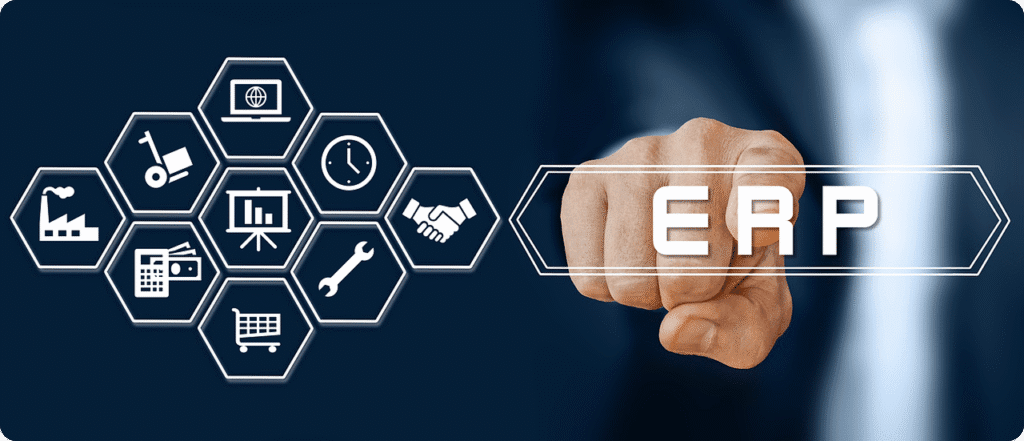
Modern ERP platforms help organizations:
- Manage procurement processes
- Track inventory levels
- Monitor supplier performance
- Improve cost visibility
- Support operational planning
- Enhance decision-making
Without centralized visibility, managing large-scale AI infrastructure projects can become increasingly difficult.
The Role of Supply Chain Management (SCM)
While ERP provides operational control, SCM capabilities help organizations optimize supply chain performance.
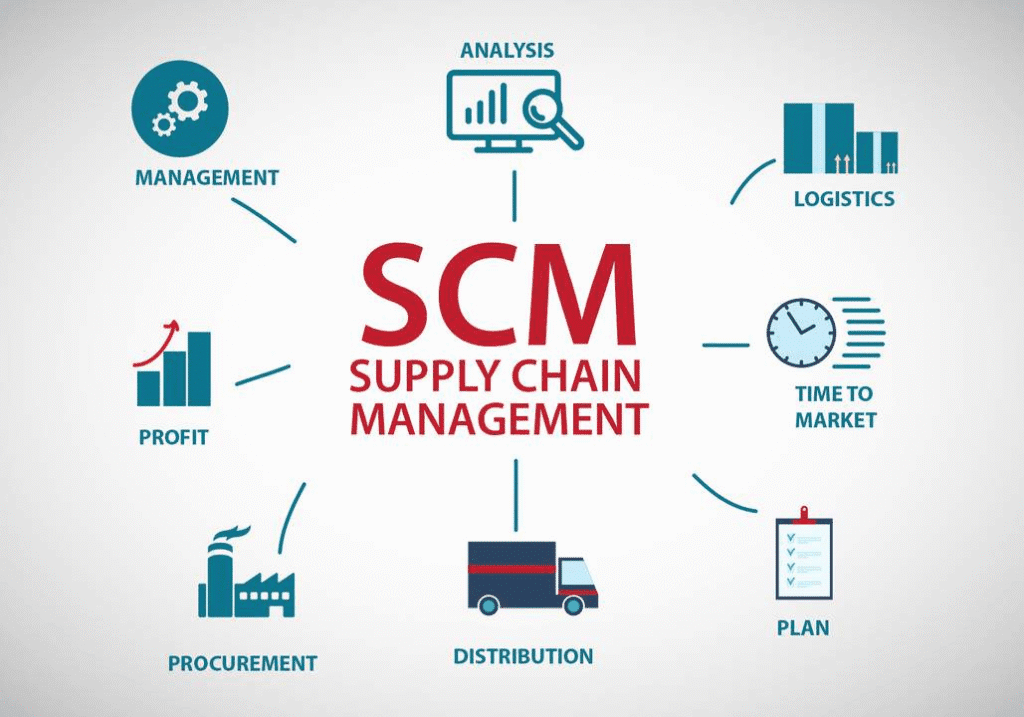
Supply chain teams must coordinate:
- Material planning
- Demand forecasting
- Inventory management
- Logistics operations
- Supplier collaboration
- Transportation planning
As AI infrastructure demand grows, organizations need stronger SCM capabilities to ensure operational continuity and project success.
Oracle SCM helps organizations manage increasingly complex supply chain operations through advanced planning, visibility, and collaboration capabilities.
Key areas where Oracle SCM adds value include:
Demand Forecasting
Helps organizations anticipate material requirements and improve planning accuracy.
Inventory Optimization
Ensures critical components remain available while minimizing excess inventory.
Supplier Collaboration
Improves communication and coordination across supplier networks.
Transportation Management
Supports efficient logistics planning and execution.
End-to-End Visibility
Provides real-time insights into supply chain operations.
These capabilities help organizations respond more effectively to changing business demands.
How Gray Acumen Helps Organizations Navigate Complexity
Technology investments alone do not guarantee operational success.
Organizations also need experienced partners who understand how to align business objectives with technology capabilities.
Gray Acumen helps businesses maximize the value of Oracle ERP and Oracle SCM solutions by:
- Improving supply chain visibility
- Enhancing planning processes
- Supporting procurement transformation
- Optimizing operational workflows
- Driving digital transformation initiatives
By combining business expertise with Oracle technologies, Gray Acumen helps organizations build more efficient and resilient operations.
Real-World Perspective
Consider a company building a new AI-focused data center.
The project requires:
- Computing hardware
- Networking equipment
- Power systems
- Cooling infrastructure
- Construction materials
Each component may come from different suppliers located across multiple regions.
Without strong supply chain planning and ERP visibility, delays in procurement or logistics can impact project timelines and increase costs.
Organizations that leverage modern ERP and SCM platforms are better positioned to manage these complexities and maintain project momentum.
Future Outlook
The AI infrastructure boom is expected to continue over the coming years as organizations invest in advanced technologies and digital transformation initiatives.
As demand grows, businesses will increasingly focus on:
- Supply chain resilience
- Supplier diversification
- Inventory optimization
- Real-time visibility
- Data-driven decision-making
Organizations that invest in modern ERP and SCM capabilities will be better prepared to support future growth.
Conclusion
The AI infrastructure boom is creating exciting opportunities for innovation, but it is also introducing new supply chain and operational challenges.
As organizations invest in data centres, computing resources, and advanced technologies, effective supply chain management and ERP systems will play a critical role in ensuring project success.
By combining strong SCM practices, modern Oracle capabilities, and experienced partners like Gray Acumen, businesses can build the visibility, agility, and operational resilience needed to support the future of AI-driven growth.
-By Grayacumen